
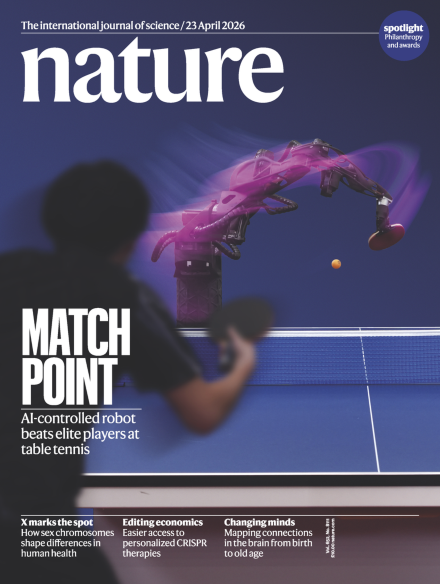
Outplaying elite table tennis players with an autonomous robot
Nature 652, 886–891, 2026
Project ACE brings learning, sensing, and control together at human speed: an autonomous robot taking on elite table tennis players.

Lead Research Scientist
AI for the physical world
SoftBank Robotics, Zurich, Switzerland
美礼 · ميراي みれい · Mi-rei
Talks, interviews, research updates, and a few personal notes.
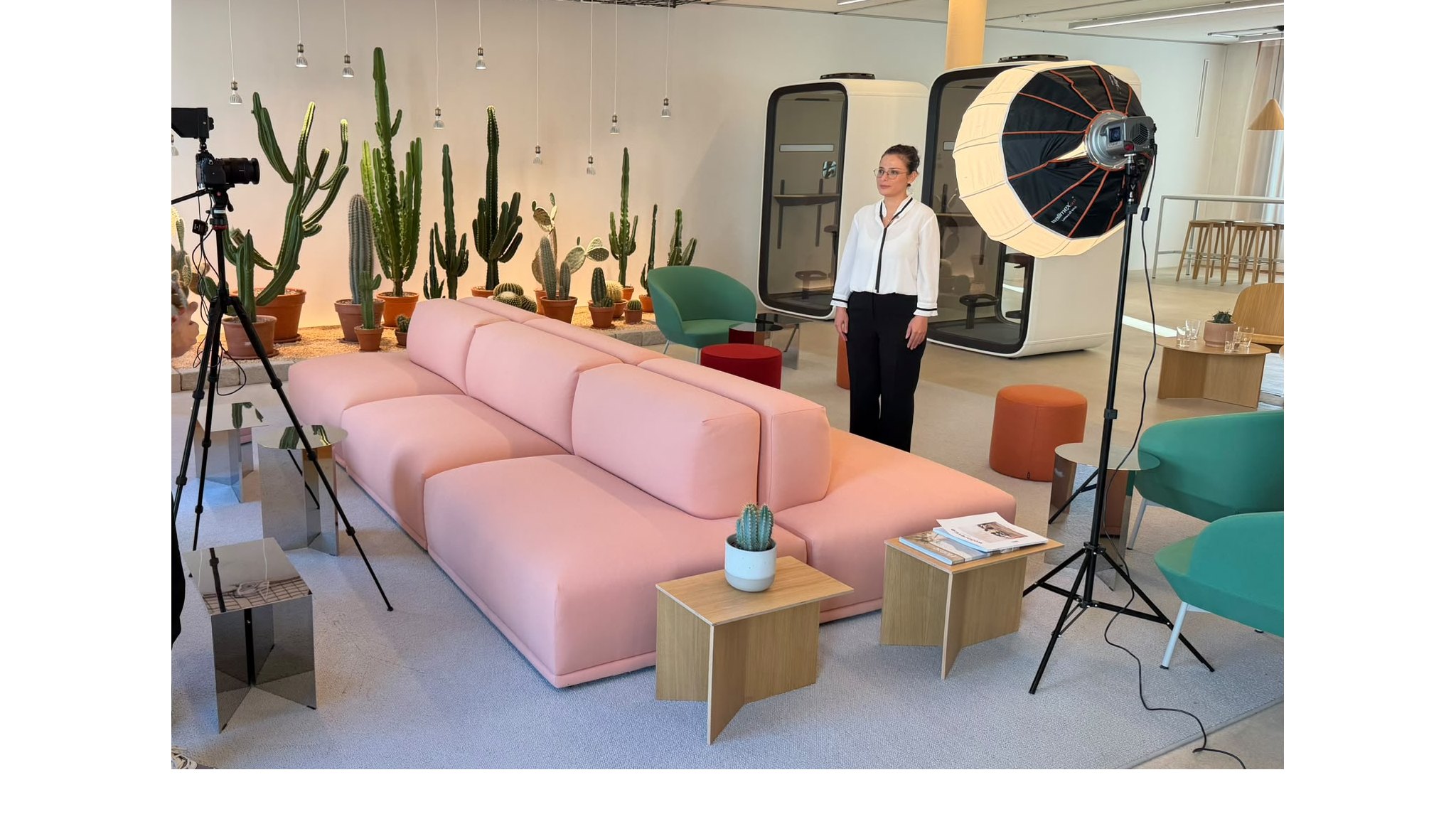
A glimpse behind the scenes of the Zurich Robot Documentary. More details coming soon.
Read more ↗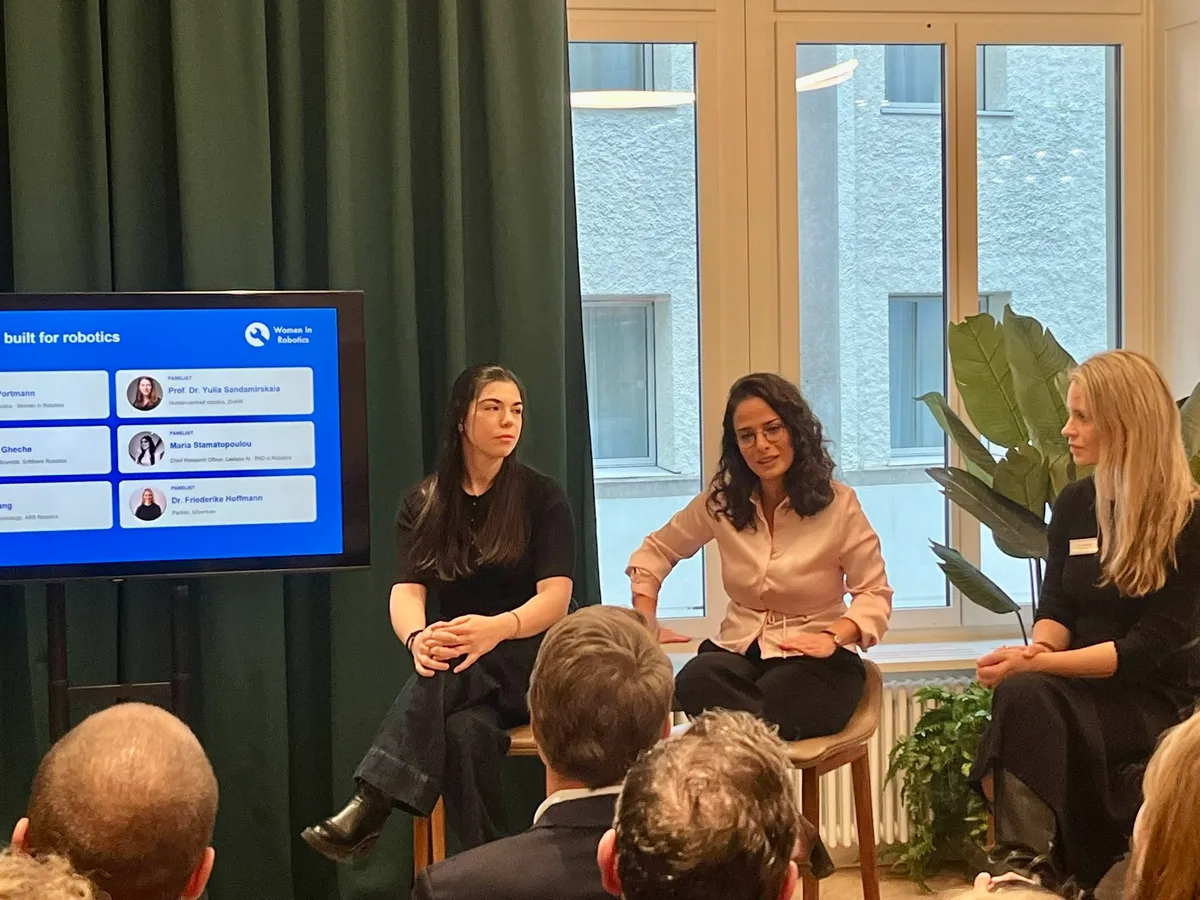
Reflections from the “Why Zurich Is Built for Robotics” panel on collaboration, keeping talent, and creating more opportunities for women to lead robotics.
Read more ↗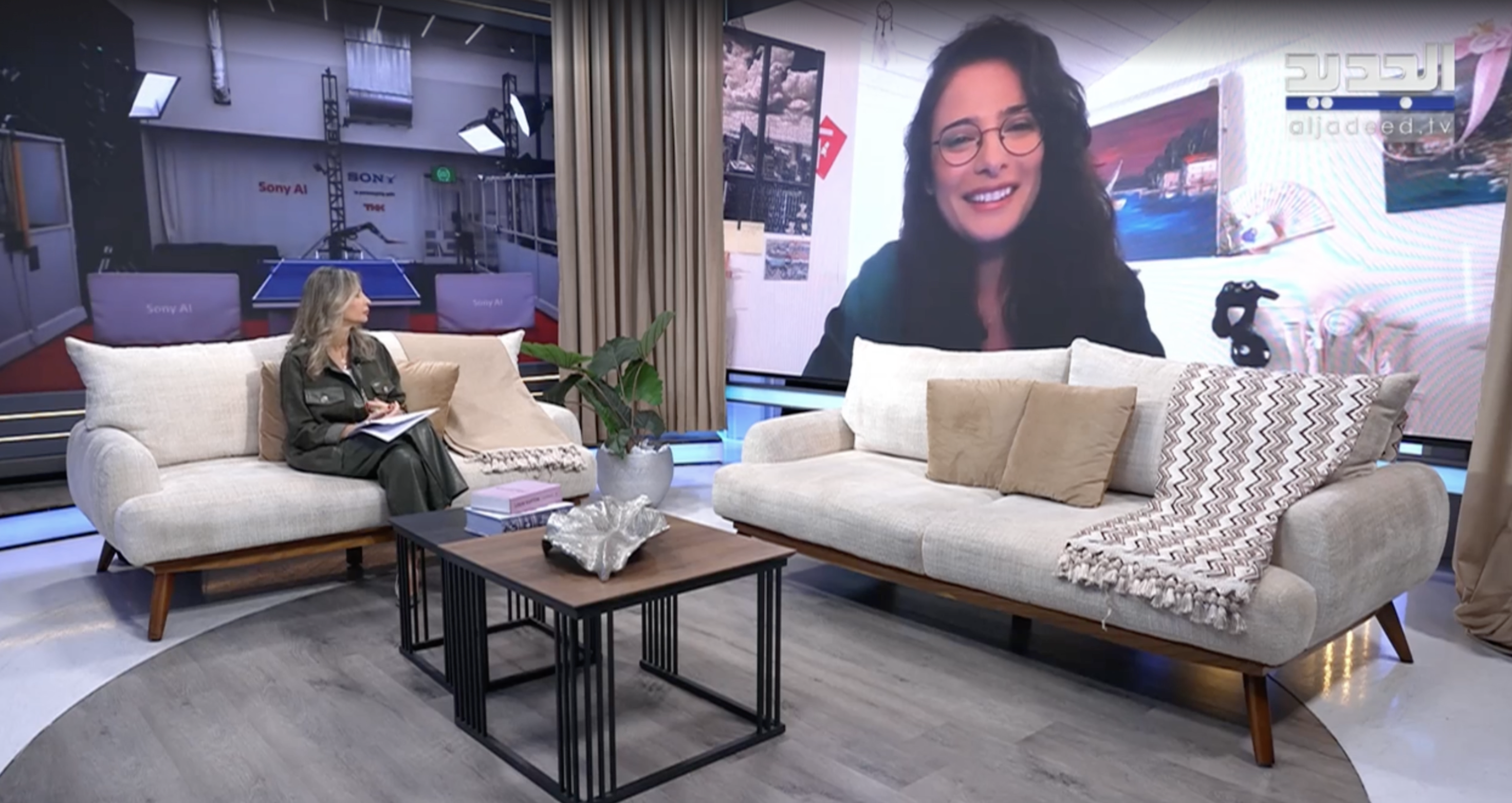
An interview on Lebanon’s Al Jadeed channel about my experience with the robot table tennis project and robotics more broadly.
Read more ↗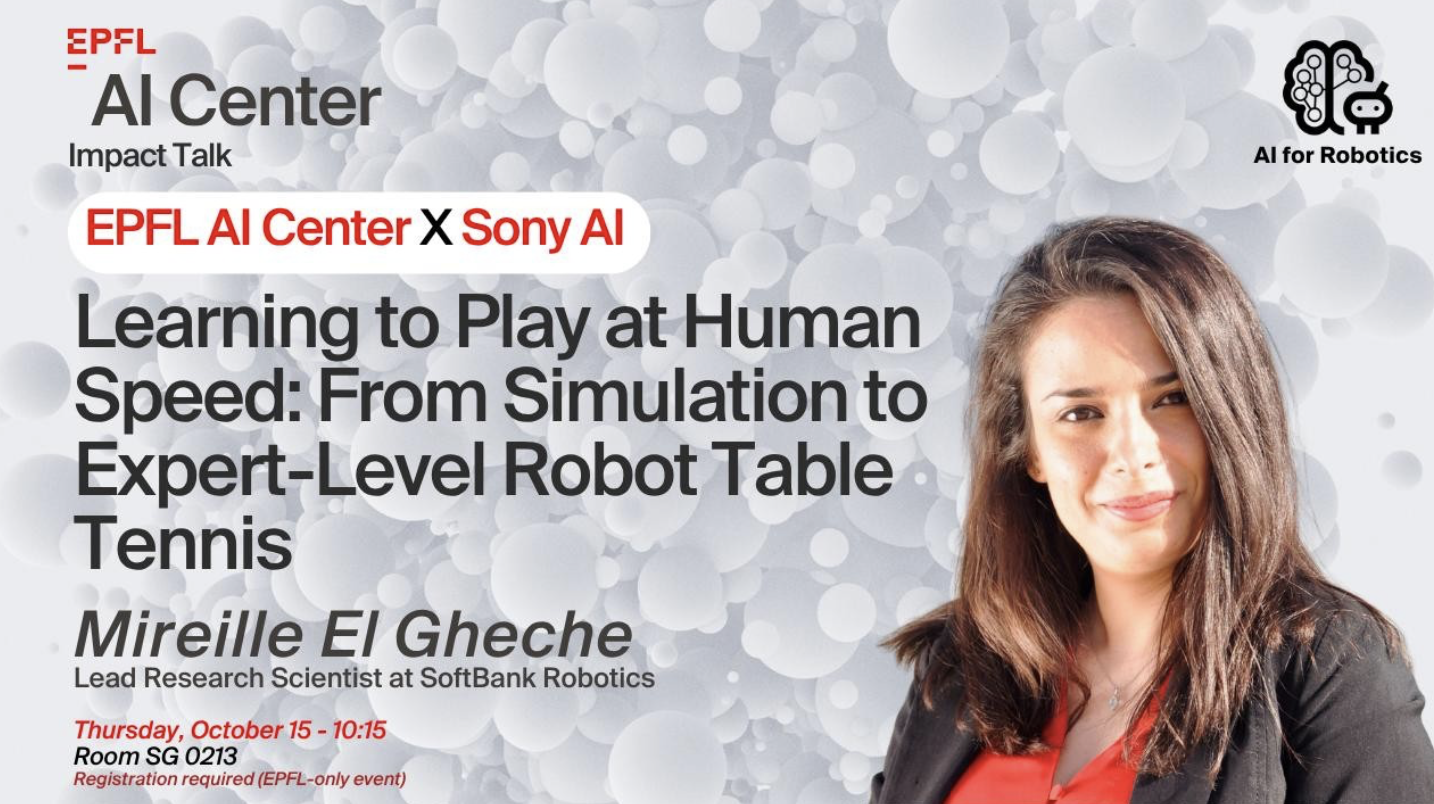
An EPFL AI Center x Sony AI Impact Talk on Project ACE and bringing robot learning into the real world.
Read more ↗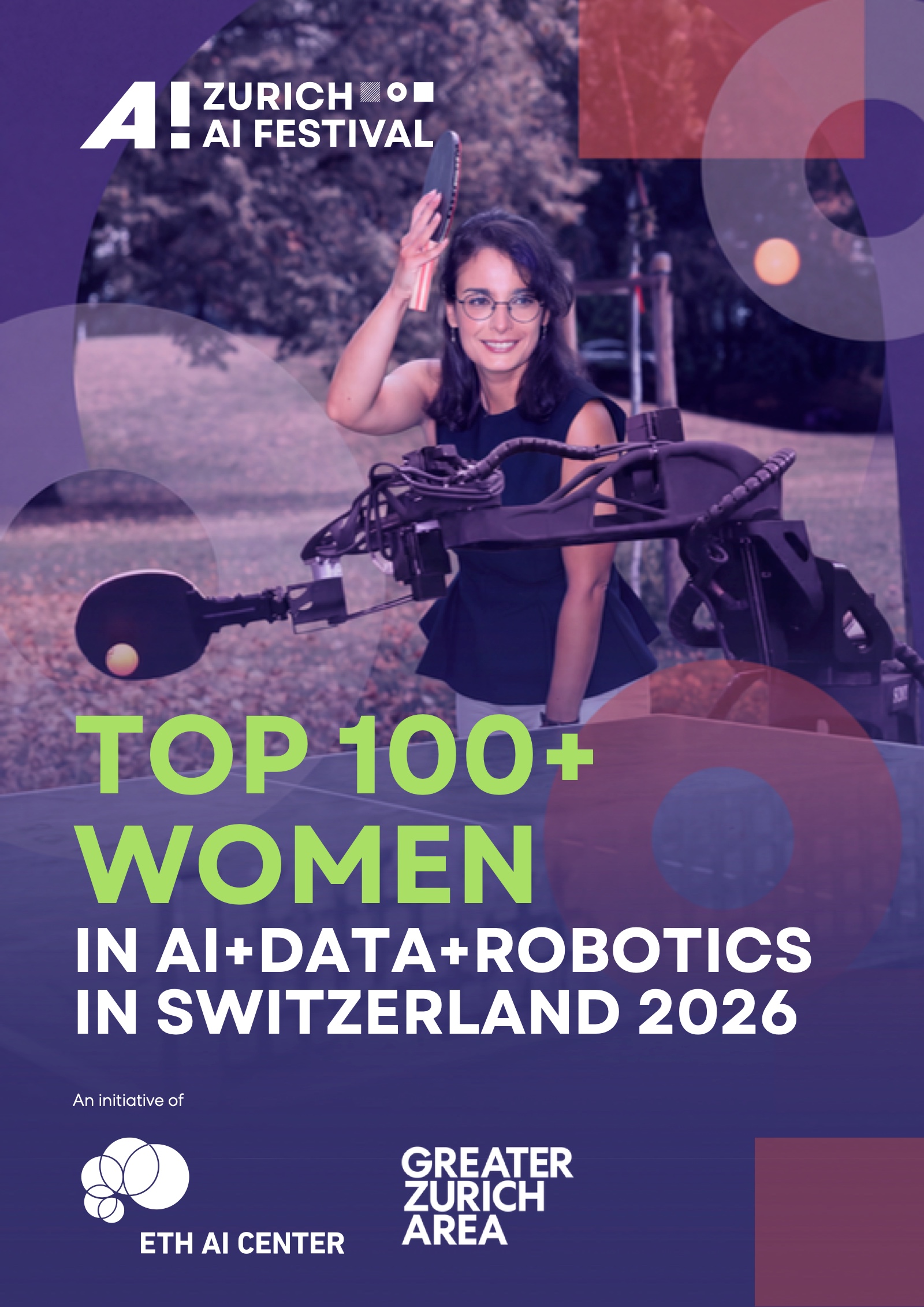
An honor made even more special by being one of ten women selected for a two-page newsletter interview.
Read more ↗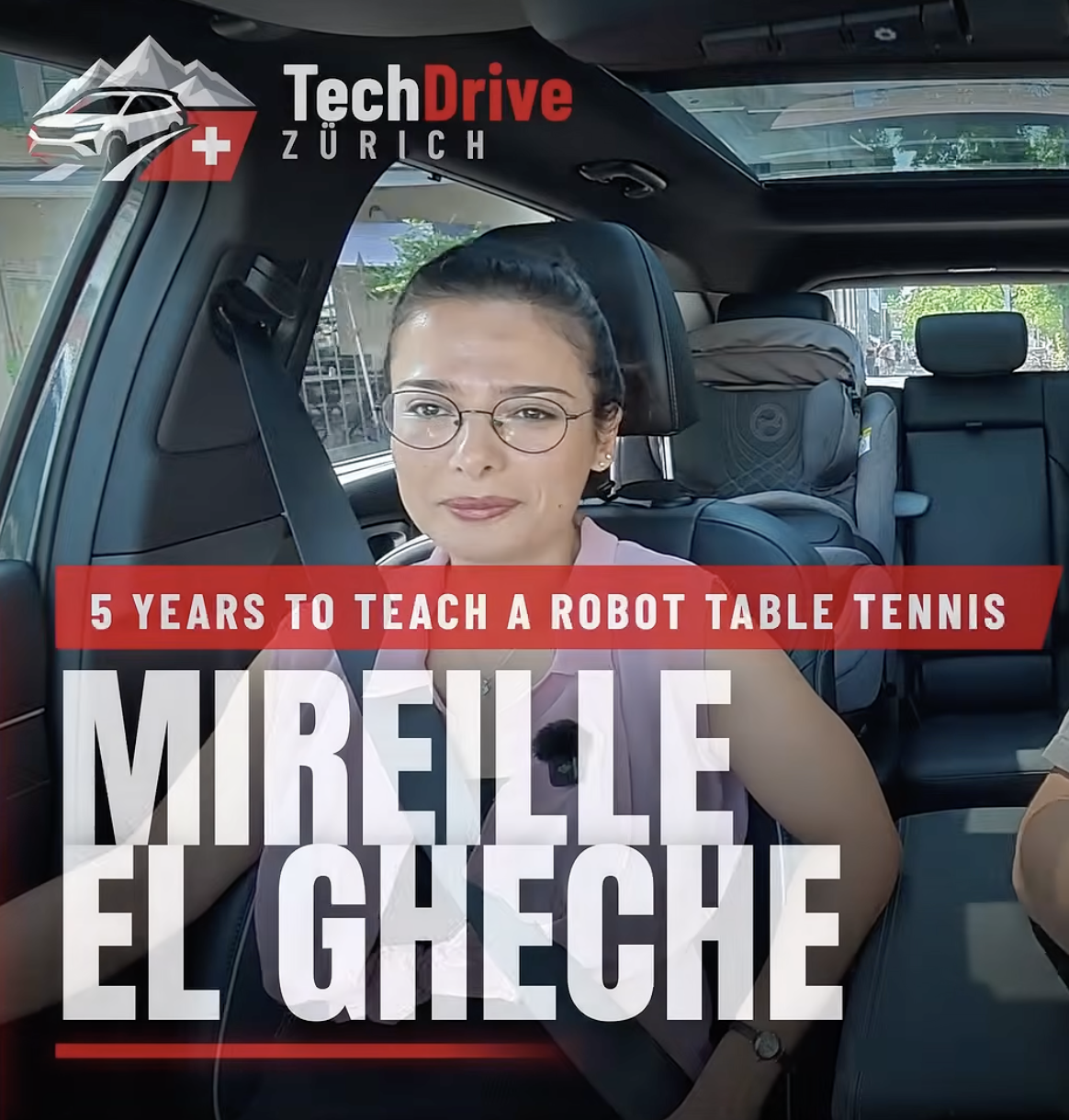
A conversation about building AI and teaching a robot to play table tennis.
Read more ↗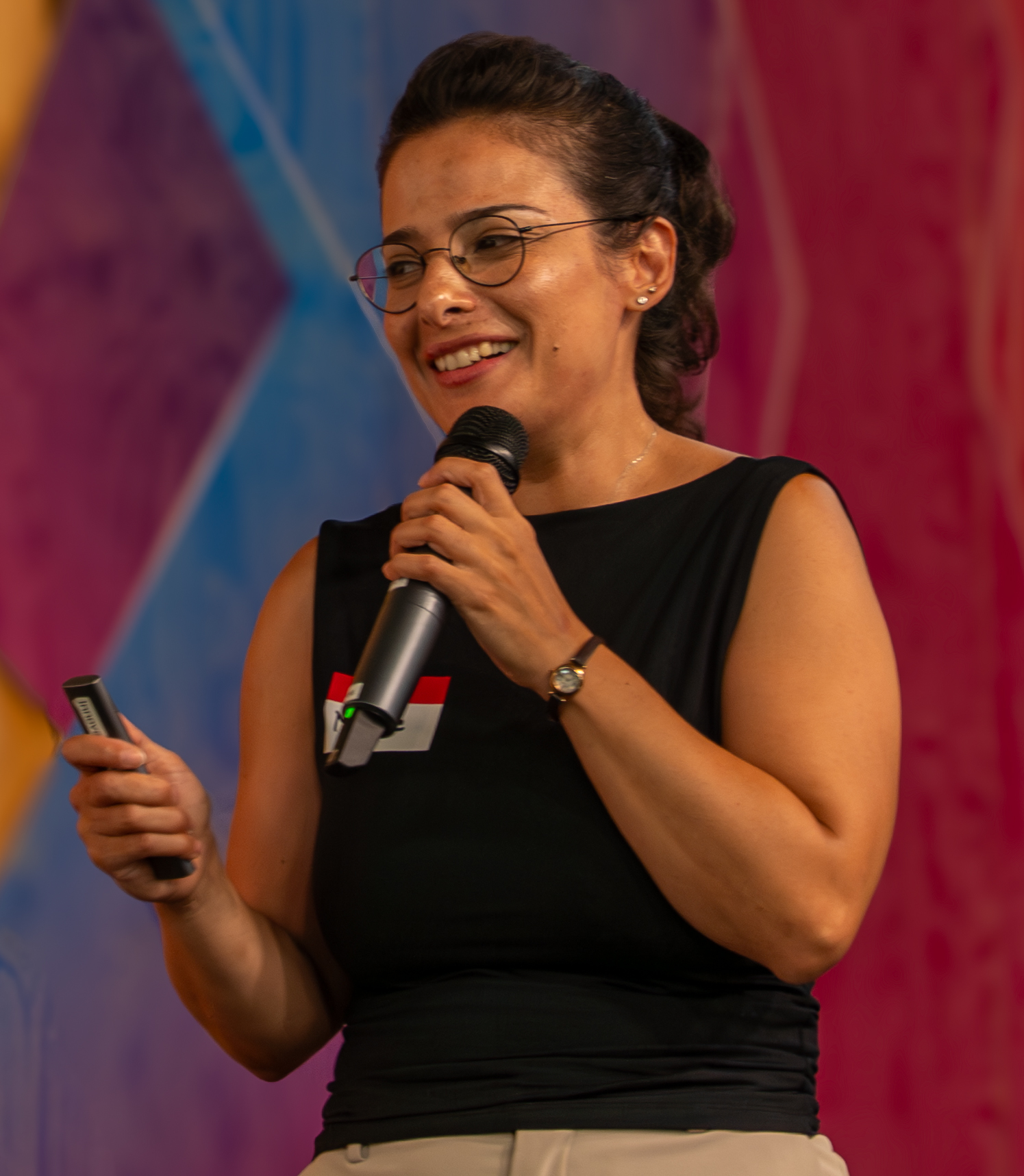
How AI learns to perceive, move, and act in the real world.
Read more ↗
Kuchisabishii (口寂しい) literally means “lonely mouth.” It describes the mysterious urge to snack when you are not really hungry, but your mouth is simply bored.
Read more ↗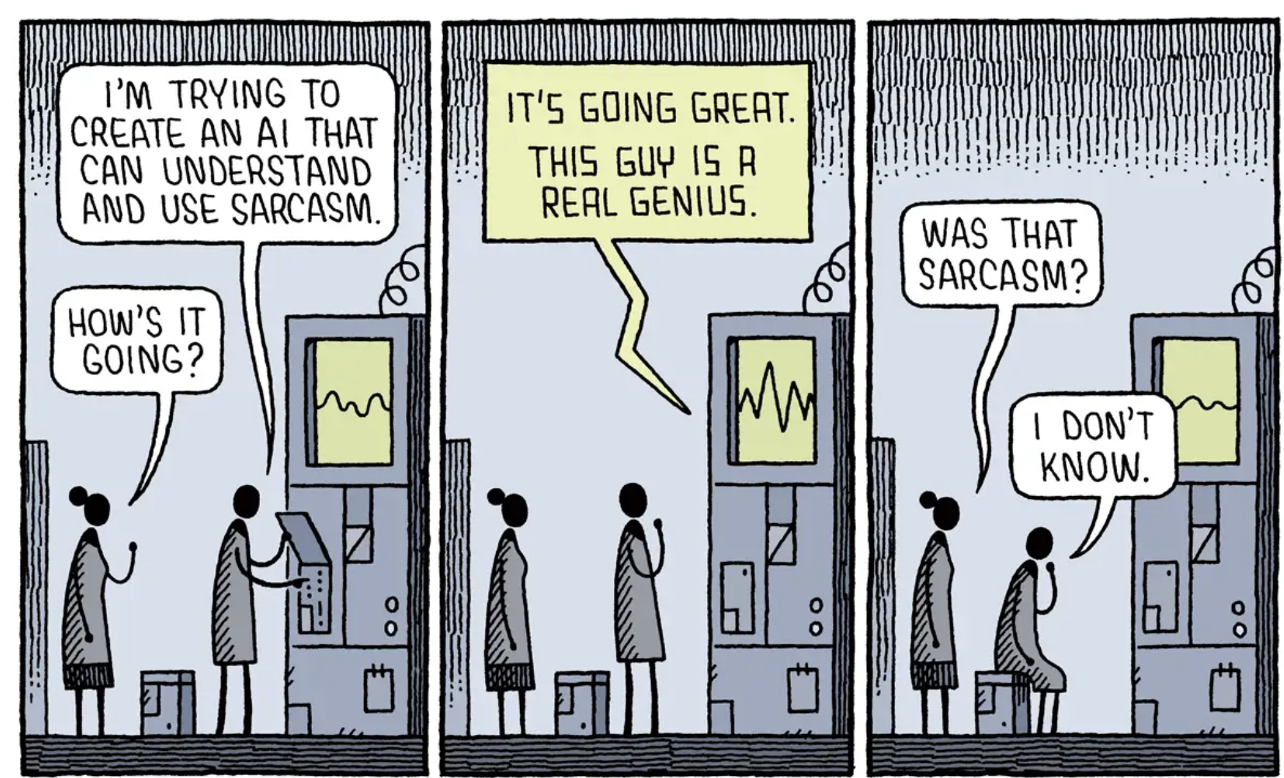

The meaning behind the name Mireille.
Read more ↗My work connects optimization, machine learning, and robotics—from the mathematical foundations to physical AI systems that operate in the real world.
Nature 652, 886–891, 2026
Project ACE brings learning, sensing, and control together at human speed: an autonomous robot taking on elite table tennis players.
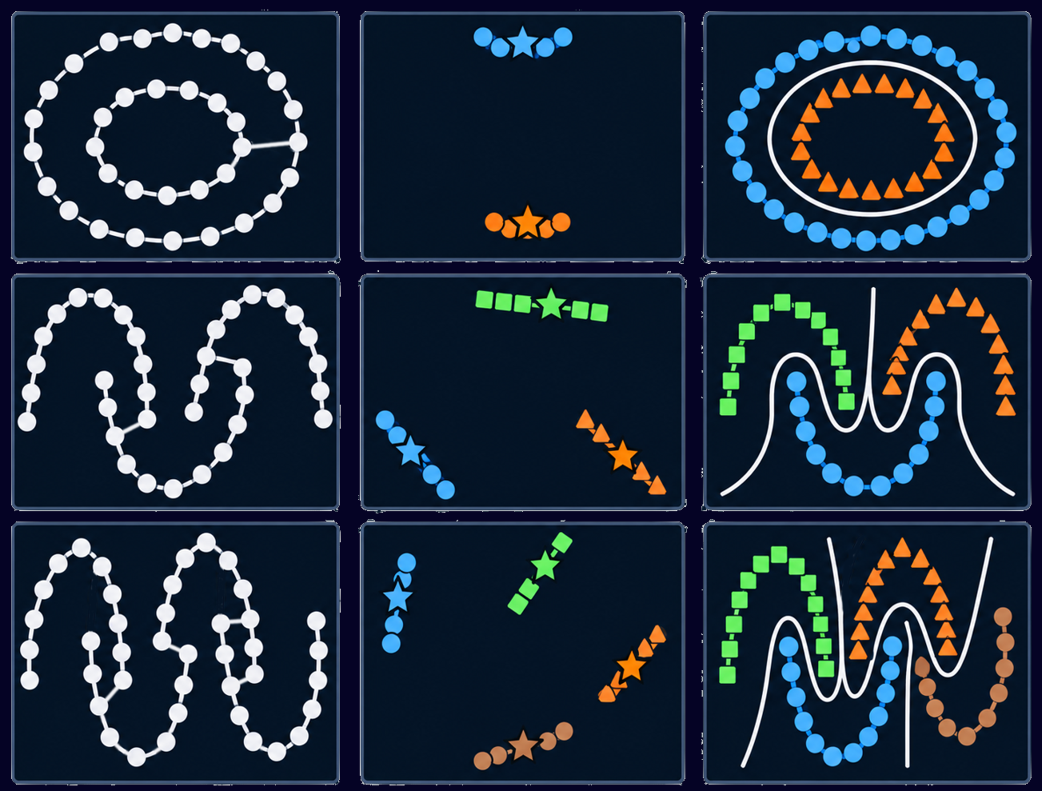
IEEE Transactions on Signal and Information Processing over Networks, 2020
OrthoNet is a neural network that learns a graph embedding using an unsupervised objective inspired by spectral clustering. By shaping the embedding around the graph’s cluster structure, it produces vertex representations that can be directly partitioned with K-means.
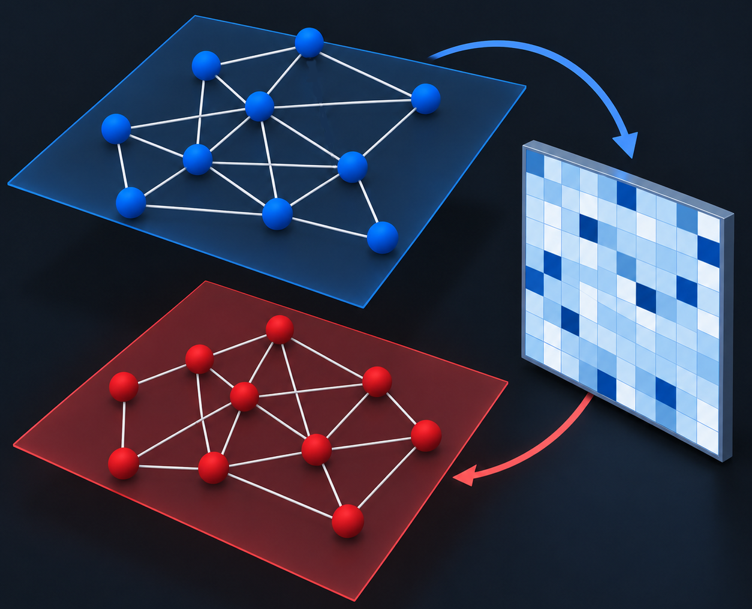
33rd Conference on Neural Information Processing Systems (NeurIPS), Canada, 2019
GOT is a framework that leverages optimal transport theory to compare graphs. It provides a principled way to measure the similarity between graphs by considering the cost of transforming one graph into another.
No publications match your search.
Nature 652 (8111), Pages 886-891, Apr. 2026.
AAAI, Virtual Event, 22 Feb. - 1 Mar. 2022.
IEEE Transactions on Signal and Information Processing over Networks, Vol. 8, Pages 353-363, Apr. 2022.
ICASSP, Toronto, Ontario, Canada, 6-11 Jun. 2021.
DSLW workshop, Toronto, Canada, 5-6 Jun. 2021.
ICASSP, Toronto, Ontario, Canada, 6-11 Jun. 2021.
ICASSP, Barcelona, Spain, 4-8 May 2020.
CVPR, Seattle, Washington, United States, 13-19 Jun. 2020.
preprint, 2020.
IEEE Transactions on Signal and Information Processing over Networks, Vol. 6, Pages 13-23, Dec. 2020.
NeurIPS OTML workshop, Vancouver, Canada, 8-14 Dec. 2019.
NeurIPS, Vancouver, Canada, 8-14 Dec. 2019.
Asilomar, Pacific Grove, CA, USA, 3-6 Nov. 2019.
ICASSP, Pages 3567-3571, Brighton, UK, 12-17 May 2019.
Gretsi, Lille, France, 26-29 Aug. 2019.
ICIP, Pages 2590-2594, Athens, Greece, 7-10 Oct. 2018.
IEEE Transactions on Information Theory, Vol. 64, No. 2, Pages 1092-1104, Feb. 2018.
Journal of Applied Geophysics, Vol. 159, Pages 157-172, Dec. 2018.
Gretsi, Juan-Les-Pins, France, 5-8 Sep. 2017.
IEEE Transactions on Geoscience and Remote Sensing, Vol. 55, No. 10, Pages 1-14, Jun. 2017.
IEEE Transactions on Image Processing, Vol. 26, No. 2, Pages 549-560, Feb. 2017.
IEEE Transactions on Image Processing, Vol. 25, No. 8, Pages 3505-3517, Aug. 2016.
IVMSP Workshop, Bordeaux, France, 11-12 Jul. 2016.
Journal of Mathematical Imaging and Vision, Vol. 47, No. 3, Pages 167-178, Nov. 2013.
ICASSP, Pages 5984-5988, Vancouver, Canada, 26-31 May 2013.
EUSIPCO, Pages 1-5, Marrakech, Morocco, 9-13 Sep. 2013.
SIPS, Pages 293-298, Beirut, Lebanon, 4-7 Oct. 2011.
GRETSI, Bordeaux, France, 5-8 Sep. 2011.
ICASSP, Pages 853-856, Prague, Czech Republic, 22-27 May 2011.
I have taught university-level courses, supervised PhD students, and mentored engineers and researchers across applied machine learning, AI, and optimization projects. My teaching and mentoring work has focused on helping students and research teams connect theoretical methods to practical problems.
In collaboration with Giovanni Chierchia ↗
A course introducing language models from first principles.
In this first chapter, we are going to build the central idea behind a language model from the ground up.
We will begin with a very simple question: given some text, how can a computer predict what is likely to come next?
Coming soon
The central message of this lecture is that next-token prediction is the core computational task of a language model, but many other decisions determine its behavior.
Real applications usually place the model inside a larger system that may include memory, document retrieval, tools, databases, or web services.
Coming soon
In this chapter, we focus on the very first part of that pipeline: how text becomes something a language model can process. When we type a sentence into a language model, the model does not directly receive words or characters. The text first has to be converted into numerical representations.
The first major step in that process is tokenization.
Coming soon
In this chapter, we move to the next part of the pipeline and ask: what does the model actually do with those tokens?
We will focus on the architecture used by most modern generative language models: the decoder-only Transformer.
Coming soon
We move to the next question: how does a model actually learn?
This chapter focuses on pretraining, the stage where a language model develops its broad language capabilities.
Coming soon
In this chapter, we move to the second major training stage: post-training.
The basic question is: once we have a capable pretrained model, how do we make it behave the way we actually want?
Coming soon
I am a lead research scientist in AI and robotics based in Zurich. My work focuses on taking reinforcement learning, computer vision, sensing, and control from research ideas to integrated physical AI systems that can be tested, demonstrated, and deployed in real environments.
Optimization methods for image and signal processing, with applications to computer vision and machine learning.
Advanced communication systems and signal processing.
Based in Zurich, Switzerland. You can reach me by email or find my work below.
Coming soon
A glimpse behind the scenes of filming for the Zurich Robot Documentary.
More details coming soon.
3 min read
What makes a city a great place for robotics? Is it the universities? The companies? The talent? Or simply the fact that you can go skiing after spending your week teaching robots how to move?
I recently had the pleasure of joining the panel “Why Zurich Is Built for Robotics,” bringing together voices from research, industry, startups, and investment to discuss what makes Zurich’s robotics ecosystem special, what could be improved, and how we can attract and keep talented people, especially women in robotics.
The discussion was moderated by Kateryna Portmann (ANYbotics, Women in Robotics), alongside an inspiring group of panelists: Prof. Dr. Yulia Sandamirskaya (ZHAW), Maria Stamatopoulou (Laelaps AI), Andie Zhang (ABB Robotics), Dr. Friederike Hoffmann (b2venture), and myself, representing SoftBank Robotics.
Here are a few thoughts I shared during the discussion.
From drones in the sky to robots on the ground and underwater, Zurich has an incredibly diverse robotics ecosystem. With universities like ETH Zurich, startups like Gravis Robotics, and companies like ABB Robotics, the region brings research and industry together in one place.
At SoftBank Robotics, we’re already exploring collaborations with several local companies. With all the exciting developments happening here, I believe Zurich is becoming one of Europe’s leading robotics hubs!
Zurich offers exciting projects, great career opportunities, and a high quality of life. But keeping talent means helping people grow and feel that they have a future here.
For women in robotics, visibility matters, but so do mentorship, career growth, and leadership opportunities.
We don’t just need more women entering robotics. We need more women leading robotics.
One thing that could make Zurich even stronger is giving robotics companies more opportunities to test their technologies in real environments.
Because making a robot work in a lab is one thing. Making it work in the real world is another!
We already have the talent and technology. Let’s give robots more opportunities to prove themselves!
When asked what I would put on a billboard to attract robotics talent to Zurich, my answer was simple:
“Come for the robots. Stay for the future!”
Because Zurich is not just a great place to develop robots. It’s also a great place to build a career, meet inspiring people, and enjoy life.
What I enjoyed most about this panel was hearing different perspectives from research, industry, startups, and investment.
Zurich already has a lot to offer, but there is always room for more collaboration, more opportunities, and perhaps a few crazy dreams!
A big thank you to Greater Zurich Area, Women in Robotics Switzerland, Kateryna Portmann, and my fellow panelists for the great discussion!
What about you? What would make your city an even better place for robotics?
تعالوا من أجل الروبوتات. وابقوا من أجل المستقبل!
ما الذي يجعل مدينةً ما مكانًا رائعًا للروبوتات؟ هل هي الجامعات؟ أم الشركات؟ أم المواهب؟ أم ببساطة إمكانية الذهاب للتزلج بعد قضاء أسبوع في تعليم الروبوتات كيف تتحرك؟
سعدت مؤخرًا بالمشاركة في جلسة نقاش بعنوان «لماذا تُعدّ زيورخ بيئة مثالية للروبوتات»، جمعت أصواتًا من مجالات البحث والصناعة والشركات الناشئة والاستثمار، لمناقشة ما يميّز منظومة الروبوتات في زيورخ، وما يمكن تحسينه، وكيف يمكننا جذب أصحاب المواهب والاحتفاظ بهم، ولا سيما النساء في مجال الروبوتات.
أدارت النقاش كاترينا بورتمان (ANYbotics، Women in Robotics)، بمشاركة مجموعة ملهمة من المتحدثات: البروفيسورة الدكتورة يوليا سانداميرسكايا (ZHAW)، و ماريا ستاماتوبولو (Laelaps AI)، و آندي تشانغ (ABB Robotics)، والدكتورة فريدريكه هوفمان (b2venture)، وأنا ممثّلةً عن SoftBank Robotics.
إليكم بعض الأفكار التي شاركتها خلال النقاش.
من الطائرات المسيّرة في السماء إلى الروبوتات على الأرض وتحت الماء، تتمتع زيورخ بمنظومة روبوتات شديدة التنوع. فبوجود جامعات مثل المعهد الفدرالي السويسري للتكنولوجيا في زيورخ (ETH Zurich)، وشركات ناشئة مثل Gravis Robotics، وشركات مثل ABB Robotics، تجمع المنطقة البحث والصناعة في مكان واحد.
في SoftBank Robotics، نستكشف بالفعل فرص التعاون مع عدد من الشركات المحلية. ومع كل التطورات المثيرة التي تشهدها المنطقة، أعتقد أن زيورخ تتحول إلى أحد أبرز مراكز الروبوتات في أوروبا!
تقدم زيورخ مشاريع مثيرة، وفرصًا مهنية رائعة، وجودة حياة عالية. لكن الاحتفاظ بالمواهب يعني مساعدة الناس على التطور والشعور بأن لهم مستقبلًا هنا.
بالنسبة للنساء في مجال الروبوتات، فإن إبراز حضورهن مهم، وكذلك الإرشاد المهني، والتطور الوظيفي، وفرص القيادة.
لا نحتاج فقط إلى مزيد من النساء اللواتي يدخلن مجال الروبوتات. بل نحتاج إلى مزيد من النساء اللواتي يقدن هذا المجال.
من الأمور التي يمكن أن تعزز مكانة زيورخ أكثر، منح شركات الروبوتات فرصًا إضافية لاختبار تقنياتها في بيئات واقعية.
فجعل الروبوت يعمل في المختبر أمر، وجعله يعمل في العالم الحقيقي أمر آخر!
لدينا بالفعل المواهب والتكنولوجيا. فلنمنح الروبوتات مزيدًا من الفرص لإثبات قدراتها!
عندما سُئلت عمّا سأكتبه على لوحة إعلانية لجذب المواهب في مجال الروبوتات إلى زيورخ، كانت إجابتي بسيطة:
«تعالوا من أجل الروبوتات. وابقوا من أجل المستقبل!»
فزيورخ ليست مجرد مكان رائع لتطوير الروبوتات، بل هي أيضًا مكان رائع لبناء مسيرة مهنية، ولقاء أشخاص ملهمين، والاستمتاع بالحياة.
أكثر ما استمتعت به في هذه الجلسة هو الاستماع إلى وجهات نظر مختلفة من مجالات البحث والصناعة والشركات الناشئة والاستثمار.
لدى زيورخ الكثير لتقدمه بالفعل، لكن هناك دائمًا مجال لمزيد من التعاون، ومزيد من الفرص، وربما لبعض الأحلام المجنونة أيضًا!
شكرًا جزيلًا لـ Greater Zurich Area، وWomen in Robotics Switzerland، وكاترينا بورتمان، وزميلاتي المشاركات في الجلسة على هذا النقاش الرائع!
وماذا عنكم؟ ما الذي يمكن أن يجعل مدينتكم مكانًا أفضل للروبوتات؟
10 min watch
On October 30, 2026, I was interviewed on Al Jadeed, a Lebanese television channel, to talk about my experience with the robot table tennis project and robotics more broadly.
Watch the full interview below or open it on YouTube.
40 min watch
View slides · PDF (no videos)I shared the story of Project ACE at the EPFL AI Center x Sony AI Impact Talk: how a robot learns in simulation and takes on expert table tennis players in the real world.
20 min read
I’m honored to be recognized among 100+ women in AI and robotics in Switzerland whose work is helping shape the field.
I was also selected as one of ten women featured in a two-page interview, where I had the opportunity to share more about my journey and the experiences that shaped it.
Grateful for this recognition and proud to be part of a community advancing AI and robotics in Switzerland.
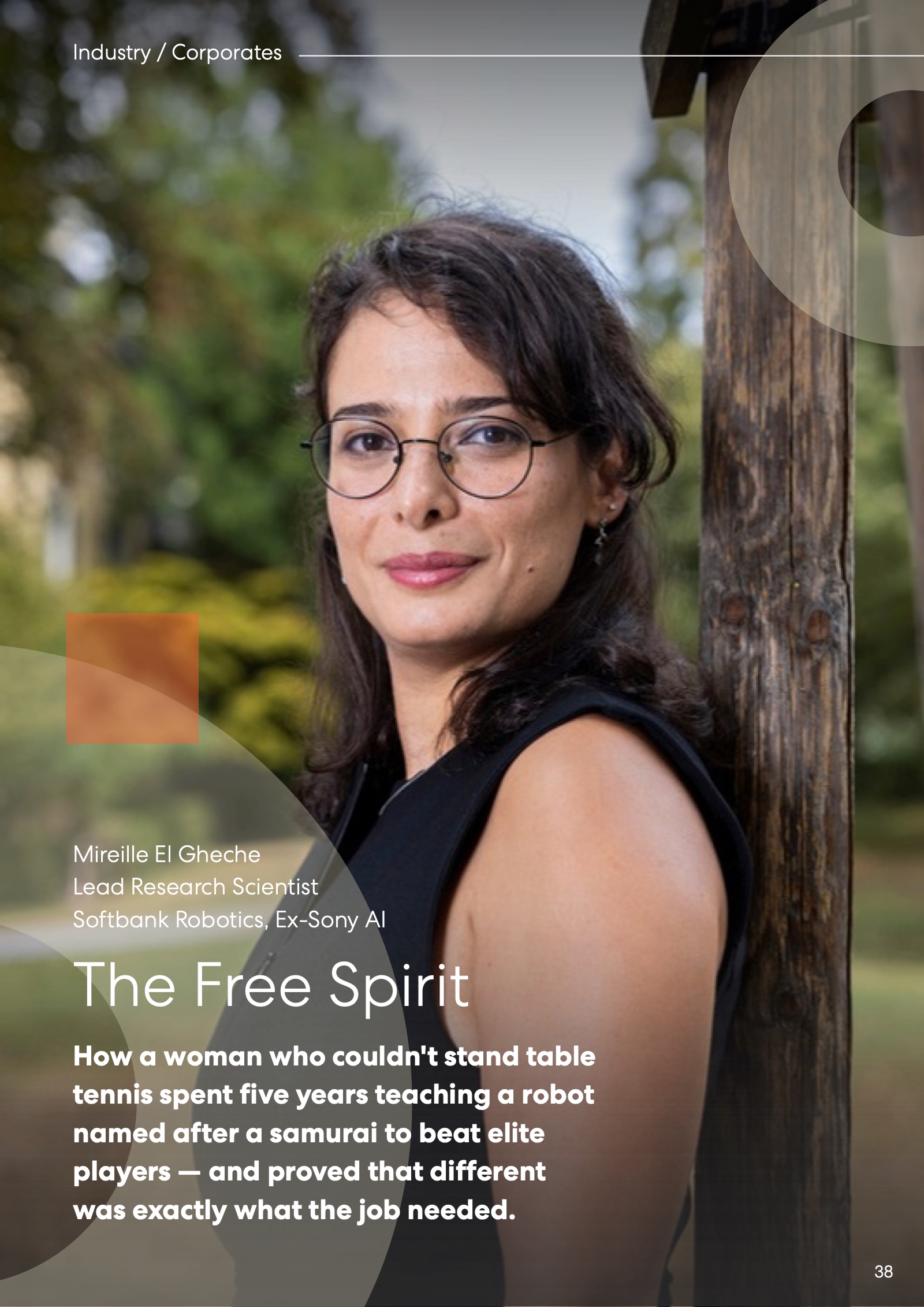
An interview with Mireille El Gheche about her journey and five years teaching a robot to play table tennis.
يسعدني ويشرّفني أن أكون قد اختيرت ضمن قائمة 100 امرأة وأكثر في مجال الذكاء الاصطناعي والروبوتات في سويسرا، وهو تقدير للنساء اللواتي يساهم عملهن وإنجازاتهن في تشكيل هذا المجال.
كما وقع اختياري ضمن عشر نساء لإجراء مقابلة نُشرت في نشرة إخبارية من صفحتين. وكانت فرصة جميلة للحديث عن مسيرتي، وعملي في الذكاء الاصطناعي والروبوتات، والتجارب التي أسهمت في تشكيل مساري.
أشعر بالامتنان لهذا التكريم، وأعتز بكوني جزءًا من مجتمع النساء اللواتي يساهمن في دفع الذكاء الاصطناعي والروبوتات قدمًا في سويسرا.
الروح الحرة
كيف أمضت امرأة لم تكن تطيق تنس الطاولة خمس سنوات في تعليم روبوت يحمل اسم ساموراي التغلب على لاعبين من النخبة — لتثبت أن الاختلاف كان بالضبط ما احتاجته هذه المهمة.
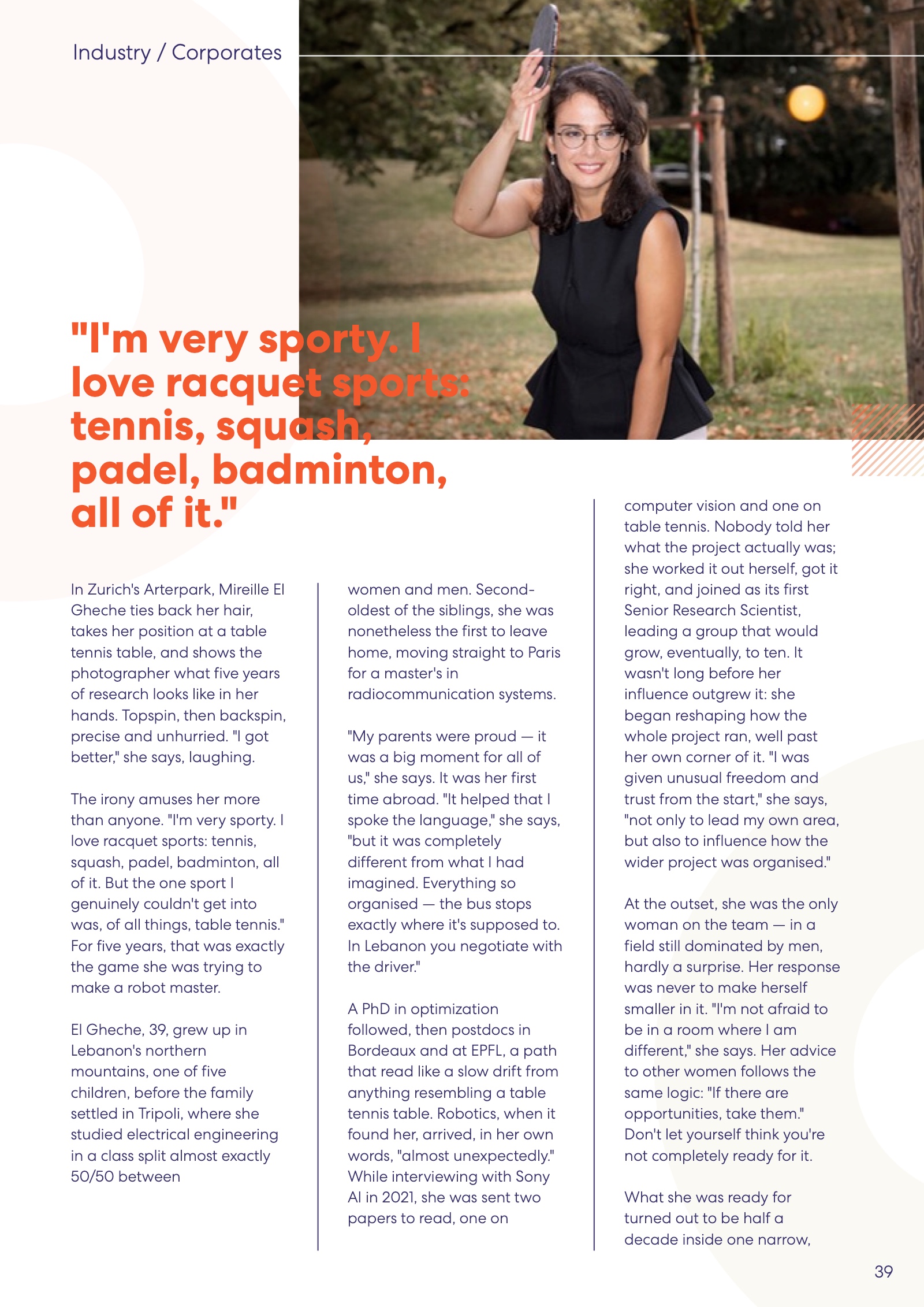
في Arterpark في زيورخ، تربط Mireille El Gheche شعرها إلى الخلف، وتتخذ مكانها أمام طاولة تنس الطاولة، وتُري المصور كيف تبدو خمس سنوات من البحث بين يديها. دوران علوي، ثم دوران سفلي، بدقة ودون استعجال. «تحسنتُ»، تقول وهي تضحك.
المفارقة تثير تسليتها أكثر من أي شخص آخر. «أنا رياضية جدًا. أحب رياضات المضرب: التنس، والاسكواش، والبادل، والريشة الطائرة، كلها. لكن الرياضة الوحيدة التي لم أستطع فعلًا أن أحبها، ويا للمفارقة، كانت تنس الطاولة». وكانت تلك بالضبط اللعبة التي حاولت، طوال خمس سنوات، أن تجعل روبوتًا يتقنها.
نشأت El Gheche، البالغة من العمر 39 عامًا، في جبال لبنان الشمالية، وكانت واحدة من خمسة أبناء، قبل أن تستقر العائلة في طرابلس، حيث درست الهندسة الكهربائية في صف كان منقسمًا تقريبًا بالتساوي بين النساء والرجال. وكانت ثاني أكبر إخوتها سنًا، لكنها كانت أول من غادر المنزل، إذ انتقلت مباشرة إلى باريس لنيل ماجستير في أنظمة الاتصالات الراديوية.
«كان والداي فخورين — كانت لحظة كبيرة لنا جميعًا»، تقول. وكانت تلك المرة الأولى التي تعيش فيها خارج البلاد. وتقول: «ساعدني أنني كنت أتحدث اللغة، لكن كل شيء كان مختلفًا تمامًا عما تخيلته. كل شيء منظم إلى هذا الحد — فالحافلات تتوقف بالضبط حيث ينبغي لها. في لبنان، تتفاوض مع السائق».
تلت ذلك دكتوراه في خوارزمية التحسين (optimization)، ثم أبحاث ما بعد الدكتوراه في بوردو وفي المعهد الفدرالي السويسري للتكنولوجيا في لوزان (EPFL)، في مسار بدا وكأنه يبتعد ببطء عن أي شيء يشبه طاولة تنس الطاولة. وعندما عثرت عليها الروبوتات، جاءت، على حد تعبيرها، «بشكل شبه مفاجئ». أثناء مقابلاتها مع Sony AI عام 2021، أُرسلت إليها ورقتان بحثيتان لقراءتهما، إحداهما عن الرؤية الحاسوبية والأخرى عن تنس الطاولة. لم يخبرها أحد ما هو المشروع فعلًا؛ فاكتشفت ذلك بنفسها، وخمنت بشكل صحيح، وانضمت بوصفها أول عالمة أبحاث رئيسية فيه، لتقود فريقًا نما في النهاية إلى عشرة أشخاص. ولم يمض وقت طويل قبل أن يتجاوز تأثيرها حدود الفريق: إذ بدأت تعيد تشكيل طريقة إدارة المشروع بأكمله، متجاوزة بكثير نطاق عملها الخاص. وتقول: «مُنحت منذ البداية قدرًا غير مألوف من الحرية والثقة، ليس فقط لقيادة مجالي، بل أيضًا للتأثير في طريقة تنظيم المشروع الأوسع».
انضمت إلى المشروع في بدايته بصفتها المرأة الوحيدة في الفريق — وفي مجال لا يزال يهيمن عليه الرجال، لم يكن ذلك مفاجئًا تقريبًا. لكنها لم تحاول قط أن تقلل من شأن نفسها كي تلائم المكان. تقول: «لا أخشى أن أكون في غرفة أختلف فيها عن الآخرين». وتتبع نصيحتها للنساء الأخريات المنطق نفسه: «إذا سنحت فرص، فاغتنمنها». لا تدعي نفسك تظنين أنك لست مستعدة تمامًا لها.
تبين أن ما كانت مستعدة له هو نصف عقد داخل مشكلة ضيقة وقاسية. فقد قالت إن كل جزء منفرد من النظام كان يعمل؛ أما الصعوبة فكانت في جعل هذه الأجزاء تعمل معًا في الوقت الفعلي، في مواجهة كرة تدور بسرعة تفوق قدرة العين البشرية على تتبعها. وتقول: «الروبوتات هي المكان الذي يتعين فيه على الذكاء أن يتعامل مع الواقع». يمتلك هذا الروبوت -الذي يتألف من ذراع ذات ستة مفاصل مثبتة على قاعدة متحركة، بدلاً من كونه روبوتًا شبيهًا بالبشر يتوازن على ساقين- أجزاءً من الثانية فقط لقراءة حركة الكرة، وتقدير مسارها، وتحديد كيفية الرد عليها، والتحرك بسرعة كافية لصدها؛ وهي مهارة صُقِلت عبر آلاف الساعات من المباريات المحاكاتية (simulation).
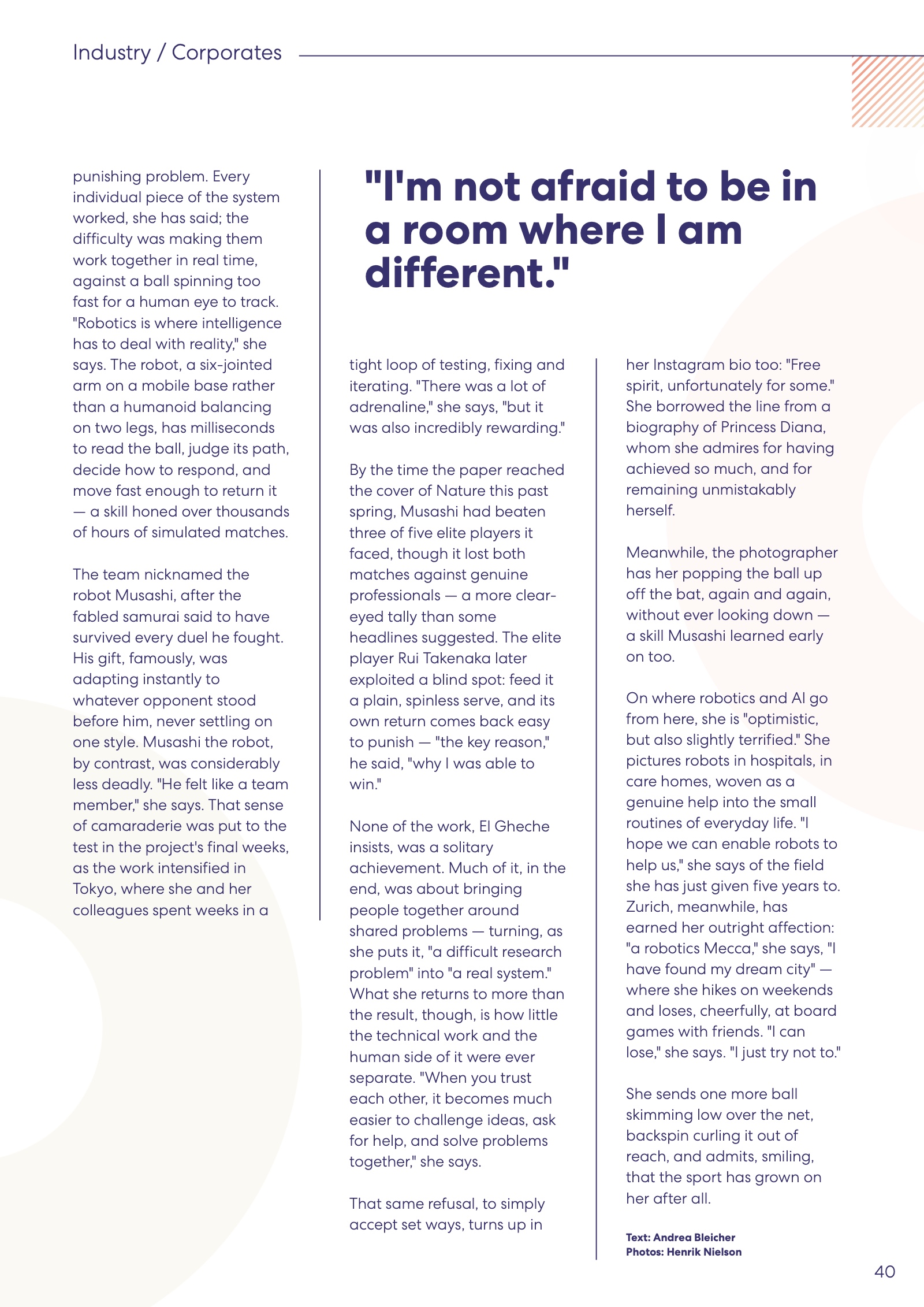
أطلق الفريق على الروبوت لقب Musashi، تيمّنًا بالساموراي الأسطوري الذي يُقال إنه نجا من كل مبارزة خاضها. وكانت موهبته، بحسب ما هو معروف عنه، التكيف الفوري مع أي خصم يقف أمامه، من دون أن يستقر على أسلوب واحد. أما Musashi الروبوت فكان، في المقابل، أقل فتكًا بكثير. تقول: «شعرتُ أنه فرد من الفريق». وقد اختُبر هذا الشعور بالرفقة في الأسابيع الأخيرة من المشروع، حين تكثف العمل في طوكيو، حيث أمضت هي وزملاؤها أسابيع في حلقة متواصلة من الاختبار والإصلاح والتكرار. وتقول: «كان هناك الكثير من الأدرينالين، لكنه كان مجزيًا للغاية أيضًا».
بحلول وصول الورقة البحثية إلى غلاف مجلة Nature في ربيع هذا العام، كان Musashi قد تغلب على ثلاثة من أصل خمسة لاعبين من النخبة الذين واجههم، رغم خسارته المباراتين أمام محترفين حقيقيين — وهي حصيلة أكثر واقعية من تلك التي أوحت بها بعض العناوين. وقد استغل اللاعب النخبوي Rui Takenaka لاحقًا نقطة ضعف: أرسل إليه إرسالًا عاديًا بلا دوران، فتعود ضربته سهلة العقاب — وقال إن ذلك كان «السبب الرئيسي» الذي مكّنه من الفوز.
تصر El Gheche على أن أيًا من هذا العمل لم يكن إنجازًا فرديًا. فقد كان جزء كبير منه، في نهاية المطاف، يتمثل في جمع الناس حول مشكلات مشتركة — وتحويل «مشكلة بحثية صعبة»، على حد تعبيرها، إلى «نظام حقيقي». لكنها تعود، أكثر من النتيجة، إلى مدى عدم انفصال العمل التقني عن جانبه الإنساني في أي وقت. وتقول: «عندما يثق بعضنا ببعض، يصبح من الأسهل بكثير أن نتحدى الأفكار، ونطلب المساعدة، ونحل المشكلات معًا».
ويظهر ذلك الرفض نفسه، رفض قبول الأساليب المفروضة ببساطة، في سيرتها الذاتية على Instagram أيضًا: «الروح الحرة، للأسف بالنسبة إلى البعض». وقد استعارت العبارة من سيرة للأميرة ديانا، التي تعجب بها لأنها حققت الكثير، ولأنها ظلت بلا لبس على طبيعتها.
في هذه الأثناء، يجعلها المصور ترفع الكرة بالمضرب مرة بعد أخرى، من دون أن تنظر إلى الأسفل — وهي مهارة تعلمها الروبوت في وقت مبكر أيضًا.
أما بشأن مستقبل الروبوتات والذكاء الاصطناعي، فهي «متفائلة، لكنني أشعر بالخوف قليلًا أيضًا». وتتخيل روبوتات في المستشفيات ودور الرعاية، مندمجة بوصفها عونًا حقيقيًا في تفاصيل الحياة اليومية الصغيرة. وتقول عن المجال الذي كرست له للتو خمس سنوات: «آمل أن نتمكن من جعل الروبوتات تساعدنا». أما زيورخ، فقد حازت إعجابها الكامل: تقول إنها «مدينة الروبوتات»، وإنها «وجدت مدينة أحلامي» — حيث تتنزه في عطلات نهاية الأسبوع، وتخسر بمرح أمام أصدقائها في ألعاب الطاولة. وتقول: «أستطيع الخسارة. أحاول فقط ألا أفعل».
ترسل كرة أخرى منخفضة فوق الشبكة، فيجعلها الدوران السفلي تلتف بعيدًا عن المتناول، وتعترف، وهي تبتسم، بأن الرياضة أصبحت محببة إليها في نهاية المطاف.
25 min watch
I joined TechDrive Zurich for a conversation about my journey in AI and robotics, and the years of research behind teaching an autonomous robot to compete in table tennis.
Watch the short highlight or settle in for the full 25-minute conversation.
15 min watch
View slides · PDF (no videos)What happens when AI leaves the screen and enters the physical world? In my talk, I explored why robotics is where intelligence has to deal with reality: physics, timing, sensors, movement, safety, and of course, unpredictable humans.
I also shared some lessons from my work on an autonomous table tennis robot, a project that taught me how hard and exciting it is to build systems that can perceive, decide, and act in real time.
There is a great future ahead, and we all have a role in shaping it.
1 min read
Kuchisabishii (口寂しい) literally means “lonely mouth.” It describes the mysterious urge to snack when you are not really hungry, but your mouth is simply bored.
Kuchi means “mouth,” and sabishii means “lonely.” Together, they capture that moment when your mouth needs a little therapy and your hand starts moving toward the chips on autopilot.
It is one of my favorite Japanese words because it gives a name to such a relatable little feeling.
1 min read
2 min read
Mireille is a French name with Provençal roots, often associated with ideas of admiration, wonder, and a sense of looking at the world with attentive curiosity.
In Japanese, the similar-sounding name Mirei can be written in several ways depending on the kanji chosen. One possible form is 美礼 (みれい). The character 美 means “beauty,” while 礼 conveys “courtesy,” “respect,” “manners,” or “etiquette.” Together, they can suggest a kind of beauty expressed not only through appearance, but also through conduct, consideration, and graceful attention to others.
Seen alongside the French and Provençal associations of Mireille, the name brings together a number of complementary ideas: beauty, refinement, respect, curiosity, and wonder. It can evoke a gentle and dignified presence, someone attentive to detail and sensitive to the beauty found in people, gestures, and everyday surroundings.
In that sense, Mireille carries both softness and depth. It suggests beauty as something to notice, appreciate, and express through the way one moves through the world.